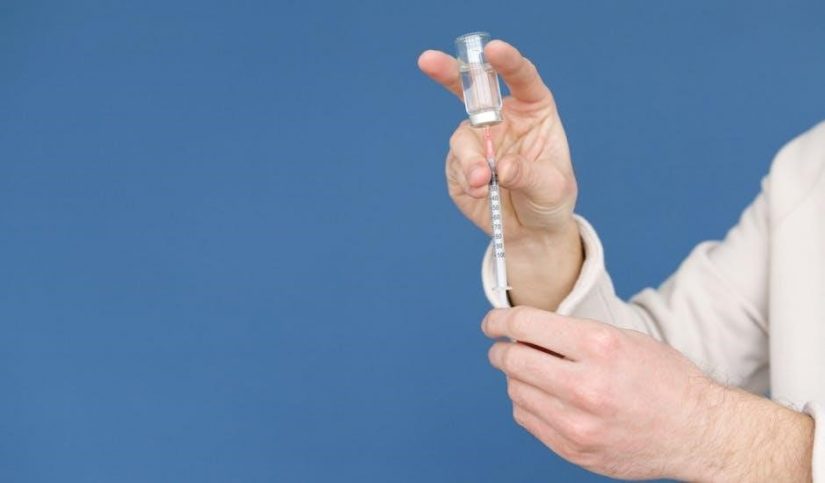
Article Plan: 10mg Semaglutide Mixing Instructions (as of 05/05/2026 01:27:16)
This guide details precise dilution of 10mg semaglutide, utilizing sterile water and U-100 syringes․
It covers dosage calculations,
reconstitution, and resources for safe administration,
ensuring accurate concentrations for effective treatment․
Semaglutide requires careful reconstitution due to its concentrated form; Accurate dilution is crucial for precise dosing, often involving a 10mg vial and sterile water,
ensuring optimal therapeutic effects and minimizing potential risks․
What is Semaglutide?
Semaglutide is a glucagon-like peptide-1 (GLP-1) receptor agonist, primarily utilized for improving blood sugar control in individuals with type 2 diabetes․ Beyond this, it’s increasingly prescribed for weight management due to its appetite-suppressing effects and ability to enhance insulin secretion․ It’s available in various formulations, including injectable solutions requiring reconstitution, like the 10mg vial discussed here․
Understanding its mechanism is key to proper administration․ Semaglutide mimics the natural GLP-1 hormone, prompting the pancreas to release insulin when blood sugar levels are elevated․ This leads to reduced hepatic glucose production and delayed gastric emptying, contributing to better glycemic control and potential weight loss․ Proper dilution, as detailed in this guide, is vital for achieving these therapeutic benefits․
Why Mixing is Necessary
Semaglutide is often supplied as a lyophilized powder within vials, requiring reconstitution with sterile water for injection before use․ This is because the drug is unstable in liquid form over extended periods, and the powder form ensures a longer shelf life․ The 10mg semaglutide vial necessitates this mixing process to achieve a usable concentration for dosage administration․
Pre-mixed pens offer convenience, but vials provide flexibility in dosing․ Accurate dilution is paramount; improper mixing can lead to incorrect dosages, compromising treatment efficacy and potentially causing adverse effects․ The process transforms the concentrated powder into a solution suitable for injection using insulin syringes, allowing for precise control over the administered amount․
Importance of Accurate Dilution
Precise semaglutide dilution is absolutely critical for safe and effective treatment․ Even slight inaccuracies can significantly alter the delivered dose, impacting blood sugar control and potentially leading to unwanted side effects․ Understanding the relationship between concentration (mg/mL) and the desired dosage is key․
Using the correct volume of sterile water, and ensuring complete dissolution of the powder, are vital steps․ Confusing units on an insulin syringe with the actual medication dose (in milligrams) is a common error that must be avoided․ Utilizing a semaglutide reconstitution calculator can minimize these risks, guaranteeing the correct final concentration for injection․
Understanding Semaglutide Concentrations
Semaglutide commonly comes in 2․5mg/1ml and 7․5mg/3ml vial strengths․ Accurate concentration knowledge is essential for calculating the correct dosage and converting milligrams to units․
Common Vial Strengths (2․5mg/1ml, 7․5mg/3ml)
Semaglutide is frequently supplied in two primary concentrations: 2․5mg reconstituted in 1ml of sterile water, and 7․5mg reconstituted in 3ml․ These pre-measured strengths offer convenience, but understanding them is crucial when working with a 10mg vial requiring custom dilution․ The 2․5mg/1ml vial yields a concentration of 2․5mg per milliliter, while the 7․5mg/3ml vial results in 2․5mg/ml as well․
When transitioning from these standard vials to a 10mg presentation, remember that precise calculations are paramount․ Diluting 10mg into a specific volume dictates the final concentration, impacting the units per milliliter and ultimately, the administered dose․ Always double-check your calculations to ensure accuracy and safety․
Relating Concentration to Dosage
The relationship between semaglutide concentration and dosage is fundamental to safe and effective treatment․ A starting dose of 0․25mg, for example, requires careful calculation based on the final concentration achieved after reconstitution․ Dissolving 10mg in 100 units of water yields a concentration allowing for relatively straightforward dosage measurements․
Understanding that the desired dose (in milligrams) must be converted to units for injection using the formula: Units = (Dose mg * Concentration mg/mL) / 100 is vital․ Accurate concentration directly dictates the volume needed to deliver the prescribed dose, emphasizing the importance of precise dilution and calculation․
Units vs․ Milligrams: Clarifying the Difference
A common source of confusion is differentiating between milligrams (mg) – the mass of semaglutide – and units (U), used for measuring insulin and, consequently, semaglutide when using U-100 syringes․ U-100 signifies 100 units per milliliter․ Therefore, converting between mg and units is crucial for accurate dosing․
Patients frequently mistake these measurements, leading to potential under or overdosing․ The formula to convert milligrams to units, given the concentration, is essential: Units = (Dose mg * Concentration mg/mL) / 100․ Understanding this distinction ensures correct volume selection on the syringe, directly impacting treatment efficacy and safety․
Materials Needed for Mixing
Essential supplies include a 10mg semaglutide vial, sterile water for injection, and U-100 insulin syringes for precise and safe reconstitution and dosage․
Semaglutide Vial (10mg)
The starting point is a 10mg semaglutide vial, representing a concentrated form of the medication requiring dilution before injection․ This vial contains the active pharmaceutical ingredient in a lyophilized (freeze-dried) powder form․ It’s crucial to verify the vial’s integrity – check for any cracks or damage before proceeding․
Ensure the vial is clearly labeled with the dosage (10mg) and the expiration date․ Proper storage, as indicated on the packaging, is vital to maintain the medication’s potency․ When dissolving 10mg in 100 units of water, you’ll achieve a solution delivering 100 units of semaglutide․ Always use a new, sterile vial for each reconstitution to avoid contamination and ensure accurate dosing․
Sterile Water for Injection
Sterile Water for Injection (SWFI) is the sole acceptable diluent for reconstituting semaglutide․ Utilizing any other liquid – like bacteriostatic water or saline – risks introducing contaminants or altering the medication’s stability and efficacy․ SWFI is pyrogen-free, ensuring it won’t cause fever or adverse reactions upon injection․
It’s typically available in single-use vials, minimizing the chance of contamination․ Before use, inspect the vial for particulate matter or discoloration․ The amount of SWFI needed depends on the desired concentration, but dissolving 10mg in 100 units yields a convenient solution․ Always use a new, sterile vial of SWFI for each reconstitution to maintain sterility․
Insulin Syringes (U-100)
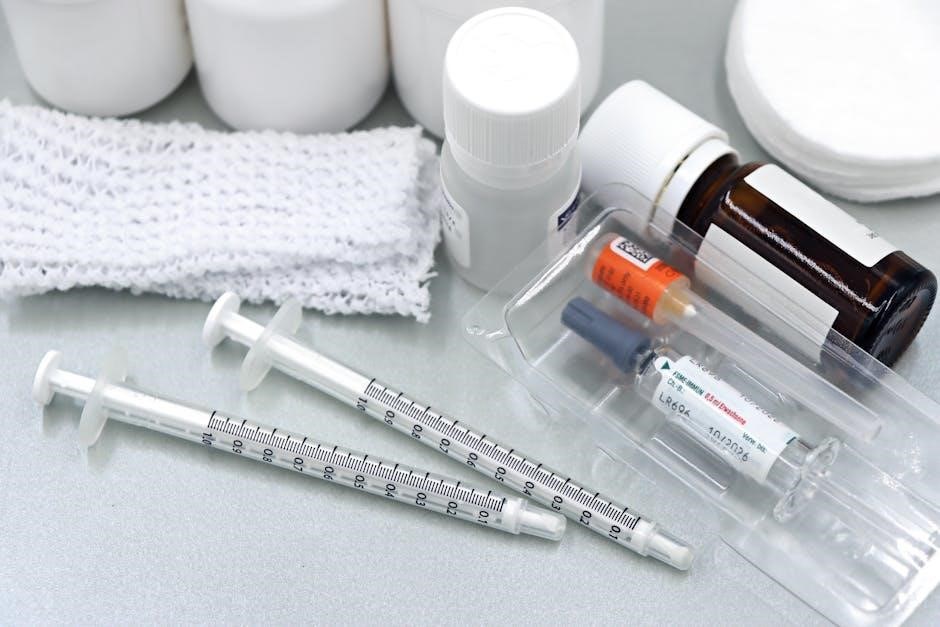
U-100 insulin syringes are essential for accurately measuring and administering reconstituted semaglutide․ These syringes are calibrated in units, where 100 units equals 1ml of solution․ This is crucial because semaglutide dosages are often prescribed in both milligrams and units, requiring precise conversion․
Always select a syringe with a needle length and gauge appropriate for your injection site and body type․ Using the correct syringe ensures accurate dosing and minimizes discomfort․ Remember that 0․25mg, a common starting dose, equates to approximately 0․05ml (or 5 units) when diluted to 5mg/ml․ Discard used syringes safely in a sharps container․
Step-by-Step Mixing Instructions
Carefully calculate water volume, add it to the semaglutide vial, and gently mix․ Accurate reconstitution is vital for proper dosage and effective treatment outcomes․
Calculating the Required Volume of Sterile Water
Determining the correct sterile water volume is paramount for accurate semaglutide dilution․ A common approach involves dissolving 10mg of semaglutide in approximately 100 units (mL) of sterile water, yielding a concentration close to 100mg/mL․ However, precise calculations depend on the desired final concentration and dosage․
Utilize the formula: Units = (Dose mg x Concentration mg/mL) / 100․ For instance, to achieve a specific concentration, adjust the water volume accordingly․ Online semaglutide calculators and GLP-1 PlotterVial tools simplify this process, providing automated volume recommendations based on your vial strength and target dosage․ Always double-check your calculations to ensure accuracy and safety․
Reconstitution Process: Adding Water to the Vial
Carefully inject the pre-calculated volume of sterile water into the semaglutide vial․ Direct the stream of water onto the vial wall, avoiding forceful injection directly onto the powder․ This minimizes the risk of damage or loss of medication․
Once the water is introduced, allow a short period for the semaglutide to dissolve․ Avoid vigorous shaking; instead, gently roll the vial between your palms․ Inspect the solution for complete dissolution, ensuring no visible particles remain․ A clear solution indicates successful reconstitution, ready for dosage calculation and administration․
Gently Mixing the Solution
After adding sterile water, avoid vigorous shaking which can degrade the semaglutide․ Instead, gently roll the vial between your hands for approximately 30-60 seconds․ This motion ensures thorough mixing without creating bubbles or causing damage to the peptide structure․
Visually inspect the solution frequently during rolling․ Look for complete dissolution, confirming no powder remains clinging to the vial walls․ A clear, homogenous solution indicates proper mixing․ If particles persist, continue gentle rolling for a few more minutes․ Proper mixing is crucial for accurate dosage and consistent therapeutic effects․
Dosage Calculation and Administration
Accurate conversion of milligrams to units is vital for correct injection volumes․ Utilize calculators and understand the relationship between concentration and desired dosage for safe use․
Example Dosage Calculation (0․25mg)
Let’s illustrate with a 0․25mg dosage, a common starting point for semaglutide treatment․ Assuming a reconstituted solution of approximately 100 units/mL (from dissolving 10mg in 100u of water), calculating the injection volume is straightforward․ Using the formula: Units = (Dose mg * Concentration mg/mL) / 100, we get Units = (0․25mg * 10mg/mL) / 100 = 0․025mL․

However, expressing this in syringe units is crucial․ For a 5mg/mL concentration, 0․05mL is needed for 0․25mg․ Therefore, carefully measure 0․05mL using a U-100 insulin syringe, ensuring precise dosage delivery․ Always double-check calculations and consult resources for verification․
Converting Milligrams to Units for Injection
Accurate conversion between milligrams (mg) and insulin units (U) is paramount for safe semaglutide administration․ Insulin syringes are calibrated in units, not milligrams, necessitating this conversion․ The relationship hinges on the concentration of your reconstituted solution․ If you dissolve 10mg of semaglutide in 100 units of sterile water, you’ll achieve a solution where 1 unit roughly equates to 0․1mg of semaglutide․
Therefore, to determine the units needed for a specific milligram dosage, divide the desired mg dose by 0․1․ Always verify your final concentration and utilize online calculators to confirm accuracy before injecting․
Using a Semaglutide Reconstitution Calculator
Semaglutide reconstitution calculators are invaluable tools for ensuring precise dilutions․ These online resources simplify the process by automating the calculations needed to determine the correct volume of sterile water for injection․ Input the initial volume and concentration of your semaglutide stock (e․g․, 10mg), and your desired final concentration․ The calculator will then output the necessary volume of water to add․
Utilizing these tools minimizes the risk of errors, guaranteeing accurate dosing․ Several reliable calculators are available online, including those integrated with GLP-1 plotter tools and dedicated peptide calculators, enhancing treatment safety and efficacy․

Resources and Tools
Access online semaglutide calculators, GLP-1 PlotterVial tools, and peptide calculators for simplified dilution and dosage calculations․ These resources promote accuracy and safety․
Online Semaglutide Calculators
Numerous online semaglutide calculators are available to assist healthcare professionals and patients in accurately determining the correct amount of diluent needed for reconstitution․ These tools streamline the dilution process, minimizing potential errors and ensuring precise concentrations․ Users typically input the initial volume and concentration of the semaglutide stock solution, alongside the desired final concentration, to receive a calculated final volume․
These calculators are particularly helpful when working with different vial strengths, such as 2․5mg/1ml or 7․5mg/3ml, and converting between milligrams and units․ They eliminate manual calculations, reducing the risk of misinterpretation and promoting consistent dosing․ Utilizing these digital aids contributes to a safer and more effective semaglutide treatment experience․
GLP-1 PlotterVial Tools
GLP-1 PlotterVial tools represent a specialized category of resources designed to simplify semaglutide dilution and dosage tracking; These tools often provide visual aids and interactive features to help users understand the relationship between concentration, volume, and dosage․ They can assist in plotting dilution curves, visualizing the amount of semaglutide remaining in a vial over time, and accurately determining the volume needed for each injection․
These resources are particularly valuable for individuals on long-term semaglutide therapy, as they facilitate consistent dosing and help manage the gradual depletion of the medication within the vial․ They contribute to improved adherence and a more controlled treatment experience, ensuring optimal therapeutic outcomes․
Peptide Calculators
Dedicated peptide calculators are invaluable aids in ensuring accurate semaglutide dilutions and dosage calculations․ These online tools streamline the process of converting between milligrams and units, a common source of confusion for patients․ By inputting the initial concentration of the semaglutide vial (e․g․, 10mg) and the desired final concentration, the calculator determines the precise volume of sterile water needed for reconstitution․
Furthermore, these calculators assist in converting the prescribed dosage in milligrams into the corresponding units for injection using a U-100 syringe, minimizing the risk of errors and promoting safe, effective self-administration․
Important Considerations
Monitor for side effects and adjust doses accordingly; store reconstituted semaglutide properly, and consult a healthcare professional for any concerns or persistent issues․
Managing Side Effects and Dose Adjustments
Navigating semaglutide treatment often involves managing potential side effects․ Common issues include nausea, vomiting, and diarrhea, typically mild to moderate and diminishing over time․ If these persist, or become severe, slowing down dose escalation is crucial․
Patients may remain on a lower, tolerable dose as long as needed, prioritizing comfort and adherence․
Careful monitoring is key; track symptoms and communicate them to your healthcare provider․ Dose adjustments should always be made under medical supervision․ Remember, individual responses vary, and a personalized approach is essential for optimal results and minimizing discomfort throughout the treatment journey․
Storage of Reconstituted Semaglutide
Proper storage is vital to maintain the efficacy of reconstituted semaglutide․ Once diluted with sterile water, the solution should be stored in a refrigerator, typically between 36°F and 46°F (2°C and 8°C)․ Protect it from light, as exposure can degrade the peptide․
Generally, reconstituted semaglutide is stable for up to 28 days when refrigerated․ However, always inspect the solution before each use; discard if you notice any discoloration, cloudiness, or particulate matter․ Clearly label the vial with the reconstitution date to ensure timely usage and prevent accidental use of expired medication․
When to Consult a Healthcare Professional
Regular communication with your healthcare provider is crucial throughout semaglutide treatment․ Seek immediate medical attention if you experience severe or persistent side effects, such as pancreatitis symptoms (severe abdominal pain), allergic reactions, or vision changes․

Discuss any concerns regarding dosage adjustments or if you find it difficult to manage side effects, potentially staying on a smaller dose if needed․ Your doctor can provide personalized guidance and monitor your progress․ Don’t hesitate to consult them before making any changes to your treatment plan or if you have questions about reconstitution or administration․