Daisy Shapes in Nature Badge Requirements Plan
This pamphlet, encompassing 12 pages, guides Daisy-level Girl Scouts through earning the Shapes in Nature Badge.
Included is a supplemental 4-page Volunteer Guide, aiding leaders in facilitating badge-related activities and understanding requirements.
Three activity packets cover Shapes, Numbers, and Design in Nature badges, offering a comprehensive exploration of math in the natural world.
The Daisy Shapes in Nature badge is an exciting introduction for young Girl Scouts to the world of geometry as it exists all around them! This badge encourages observation, critical thinking, and creative expression through the lens of natural forms. It’s designed to spark curiosity about the shapes hidden within plants, animals, and landscapes, fostering an appreciation for the beauty and order found in nature.
The badge journey isn’t just about identifying shapes; it’s about understanding how those shapes are fundamental to the natural world. Through hands-on activities like scavenger hunts and art projects, Daisies will learn to recognize circles, squares, triangles, and rectangles in their environment. The accompanying pamphlet and volunteer guide provide structured steps and support for leaders to deliver a meaningful and engaging experience. Ultimately, this badge aims to build a foundation for mathematical thinking and a lifelong love of nature!
Badge Overview: Shapes in Nature
The “Shapes in Nature” badge centers around three core requirements, carefully designed for the Daisy age group. First, Daisies will practice identifying basic geometric shapes – circles, squares, rectangles, and triangles – within their natural surroundings. This involves active observation during outdoor explorations and focused scavenger hunts.
Secondly, the badge encourages shape counting. Girls will quantify the occurrence of these shapes on plants (leaves, flowers) and animals (eyes, bodies), reinforcing their understanding through practical application. Finally, the badge fosters creativity by prompting Daisies to create using natural shapes, through art projects and building structures.
The 12-page pamphlet serves as the primary resource, outlining each step with clear instructions. Leaders benefit from the 4-page Volunteer Guide, which provides additional support and activity ideas. This badge isn’t just about math; it’s about connecting with nature and fostering a sense of wonder!
Target Audience: Daisy Girl Scouts
This badge is specifically tailored for Daisy Girl Scouts – the youngest members, typically kindergarten and first-grade girls. The activities are designed to be age-appropriate, focusing on foundational shape recognition and simple counting skills. The program emphasizes hands-on learning and exploration, capitalizing on the Daisies’ natural curiosity about the world around them.
The “Shapes in Nature” badge introduces mathematical concepts in a fun, engaging way, avoiding abstract formulas and instead utilizing the tangible beauty of nature. The pamphlet’s language and instructions are clear and concise, ensuring accessibility for young learners. Leaders are encouraged to adapt activities to suit the specific needs and interests of their troop.
The badge aims to build confidence and encourage a positive attitude towards STEM subjects, starting with the fundamental building blocks of geometry. It’s a perfect introduction to the world of math and science for budding Girl Scouts!
Understanding Shapes in Nature
Nature is brimming with shapes! Discovering these forms – circles, squares, triangles – in plants, animals, and landscapes fosters observation and appreciation.
Identifying Basic Shapes in Nature
Embarking on a journey to identify basic shapes within the natural world is a cornerstone of the Daisy Shapes in Nature badge. This involves actively seeking out circles, squares, rectangles, and triangles present in diverse environments.
Consider the petals of a flower – often arranged in circular patterns. Tree trunks and some stems exhibit cylindrical forms, closely resembling rectangles when viewed in cross-section. Leaves, particularly those of certain plants, can display triangular shapes.
Encourage observation of animal features; a ladybug’s shell is a classic example of a circle, while some birds’ wings, when folded, suggest triangular shapes. Landscapes themselves offer opportunities – hillsides forming triangles, and fields potentially resembling rectangles.
The key is to promote mindful exploration and a keen eye for detail. This foundational skill builds a strong understanding of geometry within a real-world context, enhancing the badge experience;
Circles in Nature: Examples
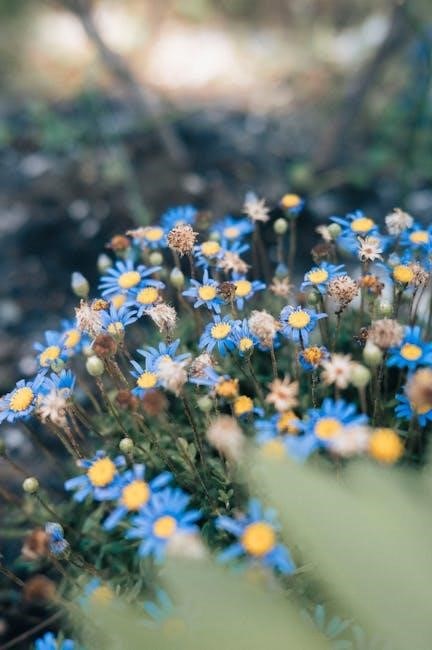
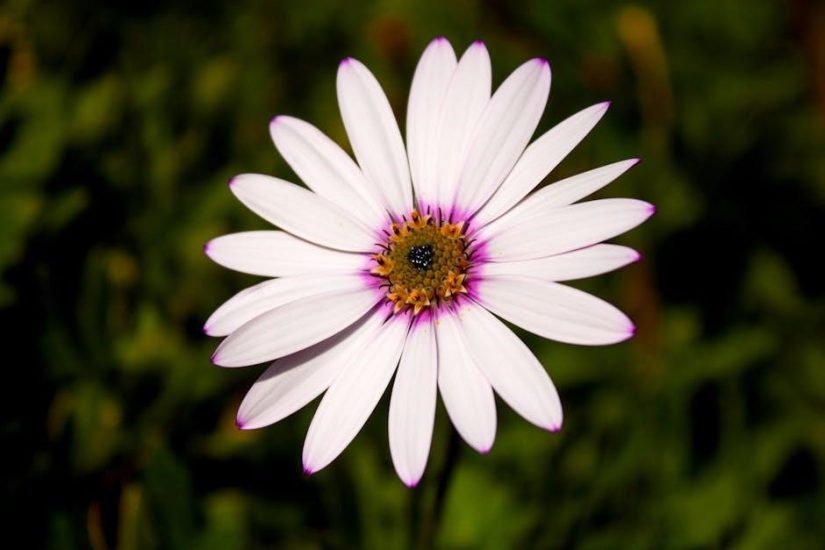
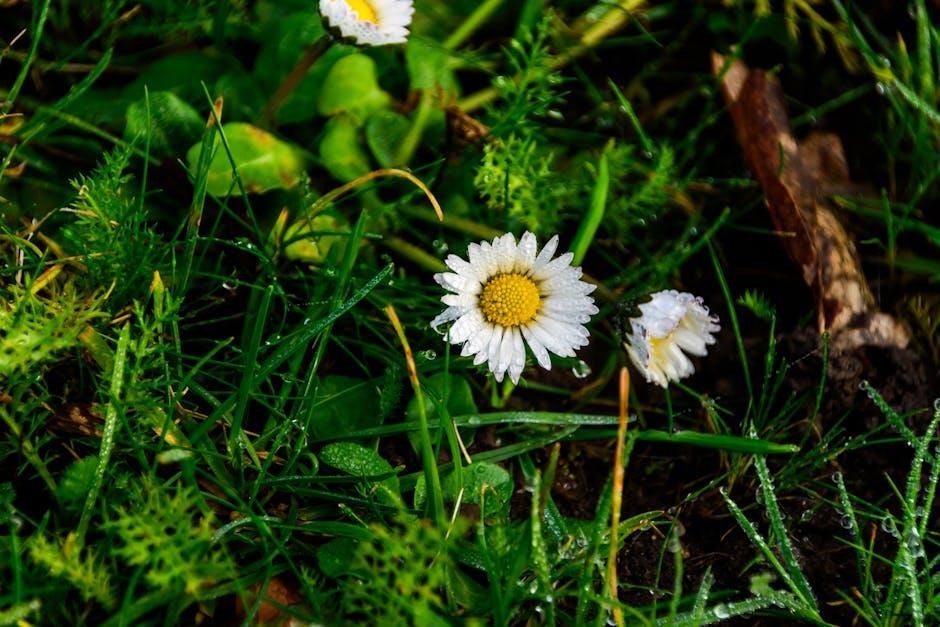
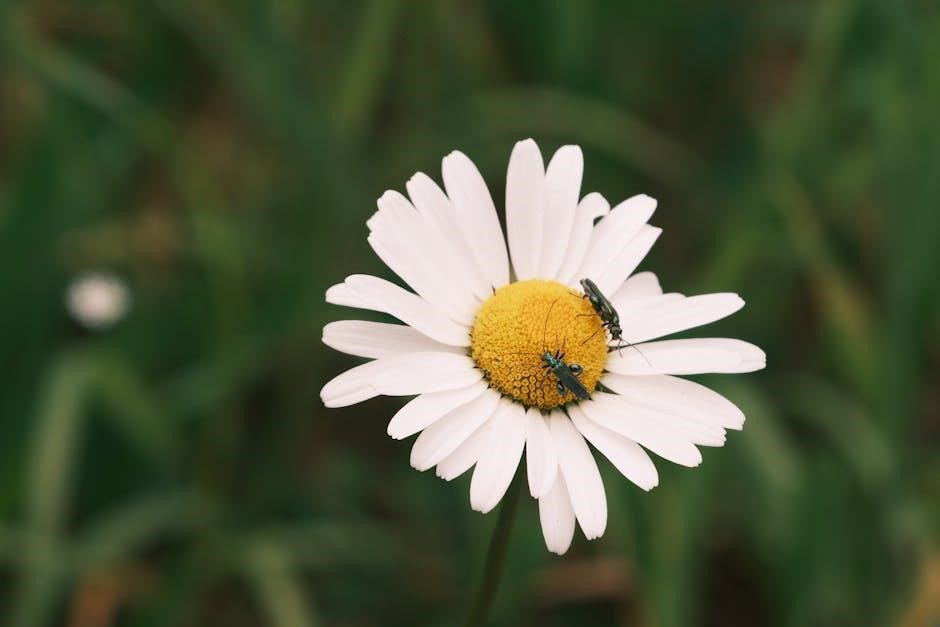
Circles are remarkably prevalent throughout the natural world, offering abundant examples for Daisy Girl Scouts to discover. The most obvious illustration is the daisy itself – its flower head a perfect circular form, representing purity and beauty.
Beyond flowers, observe the sun and moon, both celestial bodies presenting as perfect circles in the sky. Tree rings, revealed when a tree is cut, showcase concentric circles representing years of growth.
Consider the circular patterns found in spiderwebs, meticulously crafted by arachnids. Bubbles, formed by soap films, consistently exhibit spherical, or circular, shapes. Even the eyes of many animals, and the pupils within them, are circular.
Encourage scouts to look for circular pebbles, or the rounded shapes of fruits like oranges and apples. Identifying these examples reinforces shape recognition and fosters appreciation for nature’s geometry.
Squares and Rectangles in Nature: Examples
While less immediately obvious than circles, squares and rectangles do appear in nature, requiring a bit more observation from Daisy Girl Scouts. Honeycombs, constructed by bees, present a classic example of hexagonal cells, which can be grouped to approximate rectangular forms.
Look closely at the patterns on certain animal hides, such as snakes or alligators; you might discern rectangular scales or markings. The arrangement of leaves on some plants can also create rectangular patterns when viewed from above.
Consider the cross-section of bamboo stalks, which often exhibit a somewhat rectangular shape. Certain types of crystals, when forming, can develop rectangular prisms.
Even the shapes of some bird nests, or the way branches intersect, can suggest rectangular outlines. Encourage scouts to think creatively and look for approximations of these shapes, understanding nature rarely produces perfect geometric forms.
Triangles in Nature: Examples
Triangles are surprisingly prevalent in the natural world, offering excellent opportunities for shape identification during the Daisy Shapes in Nature badge activities. The most readily apparent example is the shape of tree leaves, particularly those with pointed tips like pine needles or maple leaves;
Bird wings, when folded, often form triangular shapes. Consider the structure of spiderwebs, where the radiating strands create triangular sections. Mountain peaks and sand dunes naturally form triangular silhouettes against the sky.
The cross-section of some cacti reveals triangular patterns. Certain flower petals, like those of snapdragons, exhibit triangular forms. Even the way water flows to a point, like a drip forming, can momentarily create a triangular shape.
Encourage scouts to observe how multiple triangles combine to create more complex structures, fostering a deeper understanding of geometric principles in nature.
Activities for Earning the Badge
Engage Daisies in scavenger hunts, shape counting on flora and fauna, and landscape exploration to fulfill badge requirements.
Creative endeavors like nature art and collage building reinforce shape recognition and artistic expression.
Nature Scavenger Hunt for Shapes
Embark on an exciting nature scavenger hunt designed to help Daisy Girl Scouts identify shapes in their surroundings! This activity directly addresses a core requirement of the Shapes in Nature badge, encouraging observation and hands-on learning.
Prepare a list of shapes – circles, squares, triangles, rectangles – and challenge the girls to find natural objects representing each. Encourage them to look closely at leaves, flowers, rocks, and even the patterns in tree bark.
To enhance the experience, provide each scout with a small bag or container to collect their findings (ensure they only collect items that are already fallen or permitted to be taken). Discuss how different shapes appear in nature and why they might be beneficial to plants or animals. For example, a circle might protect a seed, or a triangle might provide stability.
This hunt fosters teamwork, problem-solving skills, and a deeper appreciation for the geometry hidden within the natural world. Remember to emphasize “leave no trace” principles, ensuring the environment remains undisturbed.
Counting Shapes on Plants
This activity focuses on developing the Daisy Girl Scouts’ mathematical skills while connecting them to the natural world, fulfilling a key badge requirement. It involves carefully examining plants and counting the occurrences of specific shapes.
Begin by selecting a variety of plants – flowers, leaves, stems – and providing each scout with a magnifying glass for closer inspection. Ask them to count the number of petals on a flower (often circular or oval), the sides of a leaf (potentially triangular or rectangular), or the segments within a seed pod.
Record the findings on a simple chart or worksheet, encouraging the girls to compare their results and discuss any patterns they observe. For instance, do most flowers have an even or odd number of petals? Are leaves generally more rectangular or triangular?
This exercise reinforces counting skills, shape recognition, and the understanding that mathematical concepts are present everywhere in nature. It also promotes observation and data collection abilities.
Counting Shapes on Animals
This engaging activity extends the shape-counting concept to the animal kingdom, furthering the Daisy Girl Scouts’ understanding of geometry in nature and fulfilling badge requirements. It encourages observation and reinforces mathematical skills in a fun, interactive way.
Utilize pictures of animals, or, if possible, observe animals in a safe and respectful environment. Guide the scouts to identify and count shapes within the animal’s features – the circular eyes, the triangular ears, the rectangular bodies of some insects, or the oval shells of turtles.
Encourage them to consider the overall body shape of the animal and break it down into simpler geometric forms. Record findings on a worksheet, noting the animal and the shapes identified.
Discuss how different shapes might serve different purposes for the animal, relating form to function. This activity promotes critical thinking and reinforces the connection between math and the natural world.
Finding Shapes in Landscapes
This activity broadens the scope of shape identification to encompass larger natural environments, solidifying the Daisy Girl Scouts’ grasp of geometric principles within broader contexts and fulfilling badge criteria. It fosters observational skills and encourages appreciation for the artistry of nature.
Take the scouts on a walk, either in a park, garden, or even around the schoolyard. Challenge them to identify shapes within the landscape – the triangular peaks of hills, the circular form of a pond, the rectangular fields, or the winding, curved paths.
Encourage them to look at cloud formations and identify shapes within them. Discuss how natural processes, like erosion, can create geometric patterns in rock formations.
Document findings through drawings or photographs, labeling the identified shapes. This reinforces learning and provides a tangible record of their discoveries, linking math to real-world observation.
Creating with Shapes
This section empowers Daisies to express their understanding of shapes through artistic endeavors, utilizing found natural materials and fostering creativity.
Nature Art: Using Found Shapes
This activity encourages Daisies to become artists, utilizing the shapes they’ve discovered in nature! After a scavenger hunt, girls can arrange leaves, twigs, pebbles, and flowers into recognizable shapes – circles, squares, triangles – directly on the ground.
Alternatively, they can glue these found objects onto paper or cardboard to create nature collages. This hands-on experience reinforces shape identification while fostering creativity and appreciation for the natural world.
Leaders can guide the girls to discuss how different natural elements represent various shapes. For example, a rounded pebble might become a circle, while intersecting twigs could form triangles.
Emphasize that there’s no right or wrong way to create – the goal is to explore shapes and express artistic vision using nature’s bounty. This activity connects shape recognition with artistic expression, solidifying learning through a fun, engaging medium.
Creating Shape Collages
Building upon the nature art activity, shape collages offer a more permanent and detailed artistic outlet for Daisies. After collecting natural materials – leaves, petals, small stones, and twigs – girls can use glue to adhere them onto sturdy paper or cardboard.
Encourage them to intentionally create specific shapes: a collage entirely of circles, a rectangular landscape, or a triangular animal. This reinforces shape recognition and spatial reasoning skills.
Leaders can provide pre-cut shape templates as a starting point for younger Daisies, or challenge older girls to create shapes freehand. Discuss how overlapping shapes create new forms and patterns.
The collages become tangible representations of their understanding of shapes in nature, and a beautiful keepsake of their badge-earning journey. This activity fosters creativity, fine motor skills, and a deeper connection to the natural world.
Building Structures with Natural Shapes
This activity extends shape identification into a three-dimensional, problem-solving challenge. Utilizing gathered natural materials – sticks, stones, leaves, and pinecones – Daisies will construct small structures.
Encourage them to think about how different shapes contribute to stability and design. Can they build a tower using primarily rectangular stones? A dome using curved leaves? A triangular shelter with sticks?
Leaders can pose specific building challenges, like creating a “house for a fairy” or a “bridge for an ant.” This promotes teamwork, communication, and engineering skills.
Discuss how natural structures – beehives, bird nests, spiderwebs – utilize shapes for strength and functionality. This activity reinforces the connection between math, nature, and real-world applications, solidifying their badge requirements.

Badge Requirements Breakdown
The badge centers on identifying, counting, and creating with shapes found in nature,
guided by a 12-page pamphlet and a 4-page leader’s guide for successful completion.
Requirement 1: Shape Identification
The first requirement focuses on developing the Daisy Girl Scouts’ ability to recognize basic geometric shapes within their natural surroundings. This involves a scavenger hunt, encouraging girls to actively seek out and identify circles, squares, rectangles, and triangles present in plants, animals, and landscapes.
The 12-page pamphlet provides guidance on what to look for, offering examples of how these shapes manifest in nature. For instance, they’ll learn to spot circular flower heads, rectangular tree trunks, triangular leaves, and the various shapes found in animal bodies.
Leaders can facilitate this by asking guiding questions like, “What shapes do you see in this leaf?” or “Can you find something round?” The goal is to foster observational skills and build a foundational understanding of shapes beyond traditional classroom settings. Successful completion demonstrates an understanding of shape recognition in a real-world context.
Requirement 2: Shape Counting
Building upon shape identification, the second requirement challenges Daisies to quantify the occurrence of shapes within nature. This involves counting instances of circles on flowers, squares or rectangles in spiderwebs (or man-made structures if natural examples are scarce), and triangles in leaf arrangements or animal features.
The pamphlet and volunteer guide suggest activities like counting petals on a daisy (circles!) or identifying the number of rectangular sections in a pinecone. This reinforces both shape recognition and basic counting skills.
Leaders can encourage girls to record their findings, fostering early data collection and analysis skills. The focus isn’t necessarily on precise numbers, but on the process of observation and systematic counting. This requirement aims to solidify understanding and demonstrate the prevalence of shapes in the natural world.
Requirement 3: Shape Creation
The final requirement shifts from observation to active creation, prompting Daisies to utilize natural shapes in artistic endeavors. This encourages imaginative thinking and hands-on learning, solidifying their understanding of geometric forms.
Activities include nature art using found shapes – arranging leaves, twigs, and stones into recognizable forms. Creating shape collages with collected materials is another option, fostering creativity and fine motor skills.
Building simple structures with natural shapes, like a twig teepee or a stone circle, further reinforces the concept. The pamphlet and guide emphasize that the focus is on the process of creation, not necessarily a perfect finished product. This requirement allows girls to express their understanding of shapes in a tangible and engaging way.
Resources and Support
Leaders can access the official Daisy Shapes in Nature pamphlet and a dedicated Volunteer Guide for comprehensive support.
Online workshops and tutorials further enhance understanding and facilitate badge completion for enthusiastic Daisy Girl Scouts.
Daisy Shapes in Nature Pamphlet
The core resource for earning the Daisy Shapes in Nature Badge is the dedicated 12-page pamphlet. This publication meticulously outlines each step required for Daisy-aged Girl Scouts to successfully complete the badge’s objectives.
It’s designed to be highly interactive and engaging, fostering a fun learning environment where girls can explore the fascinating world of shapes found within nature. The pamphlet provides clear instructions for activities, encouraging observation, identification, and creative expression.
Girls will learn to recognize basic shapes – circles, squares, rectangles, and triangles – as they appear in plants, animals, and landscapes. The pamphlet guides them through scavenger hunts, counting exercises, and art projects, solidifying their understanding.
Furthermore, it emphasizes the creative aspect of the badge, inspiring girls to utilize found natural shapes in art and building activities. This resource is essential for both the girls and their leaders, ensuring a smooth and rewarding badge-earning experience.
Volunteer Guide for Leaders
Accompanying the Daisy Shapes in Nature pamphlet is a crucial 4-page Volunteer Guide specifically designed to support troop leaders. This guide provides essential insights and practical assistance in facilitating the badge requirements effectively.
It clarifies the objectives of each activity, offering suggestions for adaptation based on troop size, available resources, and the girls’ individual needs. Leaders will find helpful tips for leading nature scavenger hunts, shape-counting exercises, and creative art projects.
The guide also emphasizes the importance of fostering a positive and inclusive learning environment where all Daisies can participate and succeed. It offers guidance on encouraging observation skills, promoting teamwork, and celebrating each girl’s unique contributions.
Essentially, this resource empowers leaders to confidently deliver a meaningful and engaging badge experience, ensuring the Daisies grasp the concepts of shapes in nature and enjoy the process.
Online Workshops and Tutorials
To further support leaders and girls in earning the Daisy Shapes in Nature Badge, interactive one-hour Zoom workshops are available. These workshops comprehensively cover all three requirements of the badge, providing a dynamic learning experience.
While the badge itself is not included with the workshop, participants gain valuable insights and practical strategies for completing each step. The sessions emphasize hands-on activities and encourage active participation from all attendees.
Leaders can benefit from observing experienced facilitators demonstrate effective teaching techniques and gain access to supplementary resources. Girls will enjoy engaging with peers and exploring the fascinating world of shapes in nature through interactive games and discussions.
These online resources offer a flexible and convenient way to supplement traditional badge work, ensuring all Daisies have the opportunity to succeed.